YukonU Research Stories

YukonU is a hub for research and scholarly activity for students, faculty and YukonU Research Centre staff. YukonU Research Stories cover current research activities - for the North and beyond. Get inspired and start your own research project with our support


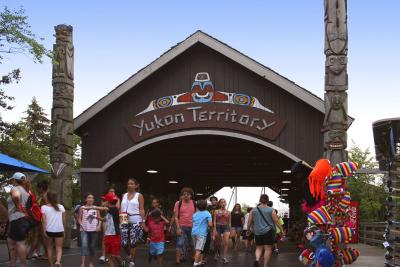
What is the identity of the Yukon when its image has been very much shaped from the outside.

If a Yukoner had a toonie for every time they’ve heard, the Yukon - that’s Alaska isn’t it?! we’d be able to buy ourselves endless double doubles, to cry into.

It could be said that the territory struggles with its identity, internally no - this identity crisis comes from outside, and it can refract and disorient identity within.

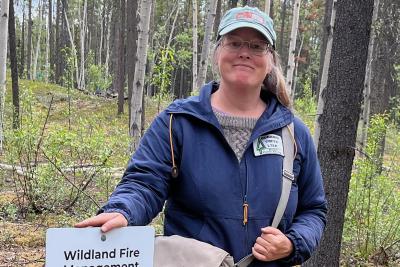
After more than three decades studying wildfire in the boreal forest, Jill Johnstone is clear about one thing: the environment she began researching 30 years ago, no longer exists.

“When I first started working … it wasn’t a particularly large field of interest,” she says, “fire was seen as a natural part of the boreal forest, something ecosystems had adapted to over centuries.”

That understanding still holds, but the volume and intensity of fires is changing the landscape faster than ever before.

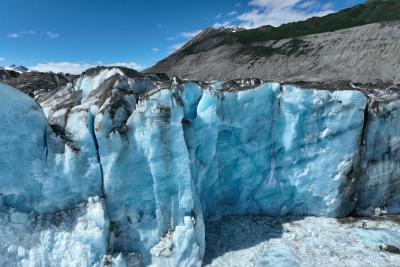
Have you ever wanted to explore one of Canada’s most dramatic glaciated landscapes without mountaineering skills, extreme weather gear, or a chartered flight? Thanks to a new suite of Virtual Geology Tours developed by Yukon University’s Earth Sciences program, the vast and ice-covered St. Elias Icefields are now open to everyone.

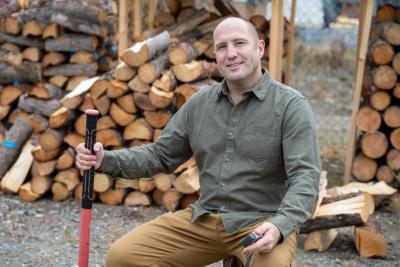
It was early October with the chill of oncoming winter in the air. We bundled up against the cold to meet Stephen Biggin-Pound to settle a distinctly northern debate – what’s the best way to stack and prepare firewood?

Stephen is the Chair of YukonU’s School of Academic and Skill Development, but he’s still finding time to advance forest ecology research in collaboration with the Forest Management Branch. We tracked him down in the yard behind the YukonU lab building, where various stacks and piles of firewood were set up to cure.

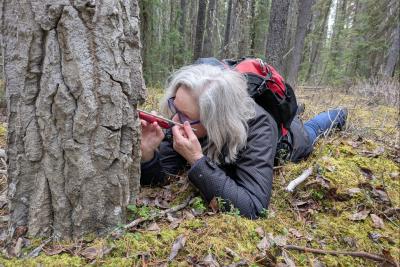
Dr. Katie Aitken’s latest project is investigating an overlooked part of Yukon’s forests: the tree cavities that shelter everything from woodpeckers to squirrels.

Aitken, an associate professor for YukonU's Northern Environmental and Conservation Sciences Program, studies cavity users—birds, mammals, and other species that rely on naturally occurring crevasses or holes in trees for nesting and shelter. These spaces form naturally as trees age or are carved out by “primary excavators” such as woodpeckers.
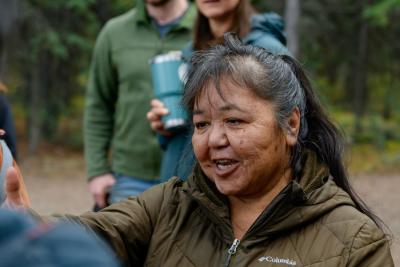
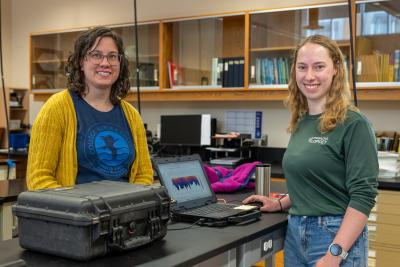
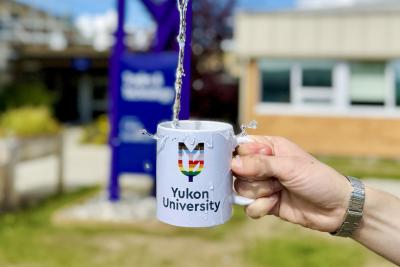
Sometimes the best academic ideas don’t come from labs or lecture halls, but from lived experience. That’s exactly what YukonU researcher Dr. Liris Smith’s recent research on hydration in long-term care demonstrates.

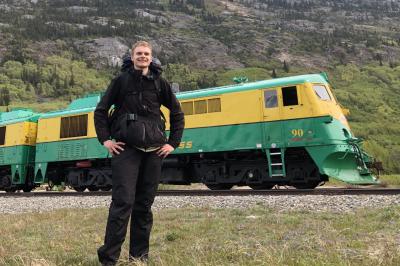
This June, low water levels in Bennett Lake disrupted the travel plans of Yukon University research assistants, Leif Rupke and Christina MacNeil, and lead researcher, Dr. Ashley Dubnick. Instead of accessing a remote research site by boat with Land Guardians from the Carcross Tagish First Nation – which is how researchers typically travel to the site – the team blew their whistles and boarded the White Pass & Yukon Route Railway.

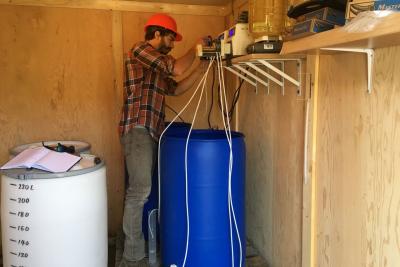
Industrial Research Chair in Northern Mine Remediation, Dr. Guillaume Nielsen, set up four pilot-scale bioreactors at Eagle Gold Mine in 2019 and monitored them for three years.
Earth Sciences faculty members and two student research assistants are studying the metal concentrations of groundwater in Whitehorse with a focus on uranium, manganese, and arsenic.
There are big plans this field season for a mine revegetation project with the help of Master’s student and recent Northern Environmental and Conservation Sciences graduate, Ben Budzey.