The community of Mayo

The community of Mayo is located at the confluence of the Mayo and Stewart rivers in the heart of the Yukon, approximately 400 km north of Whitehorse.

Situated within the Traditional Territory of the First Nation of Na-Cho Nyäk Dun, the campus has always played a dynamic role in community education. Partnerships with local and territorial organizations, the First Nation of Nacho Nyäk Dun and employers within the area have greatly contributed to the success of the Mayo Community Campus.

*Photo of participants holding their completed drums after taking a drum making course at the Mayo Campus
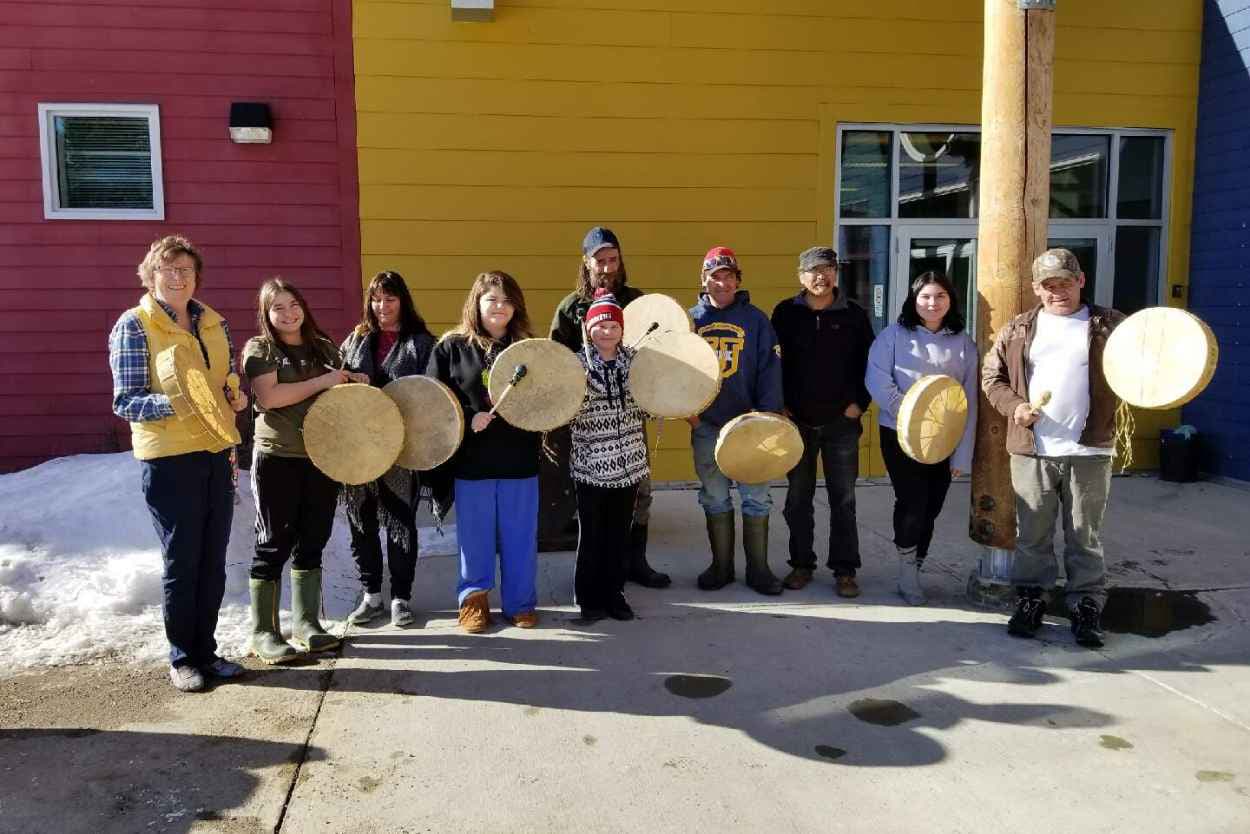
Participants holding their completed drums after taking a drum making course at the Mayo Campus

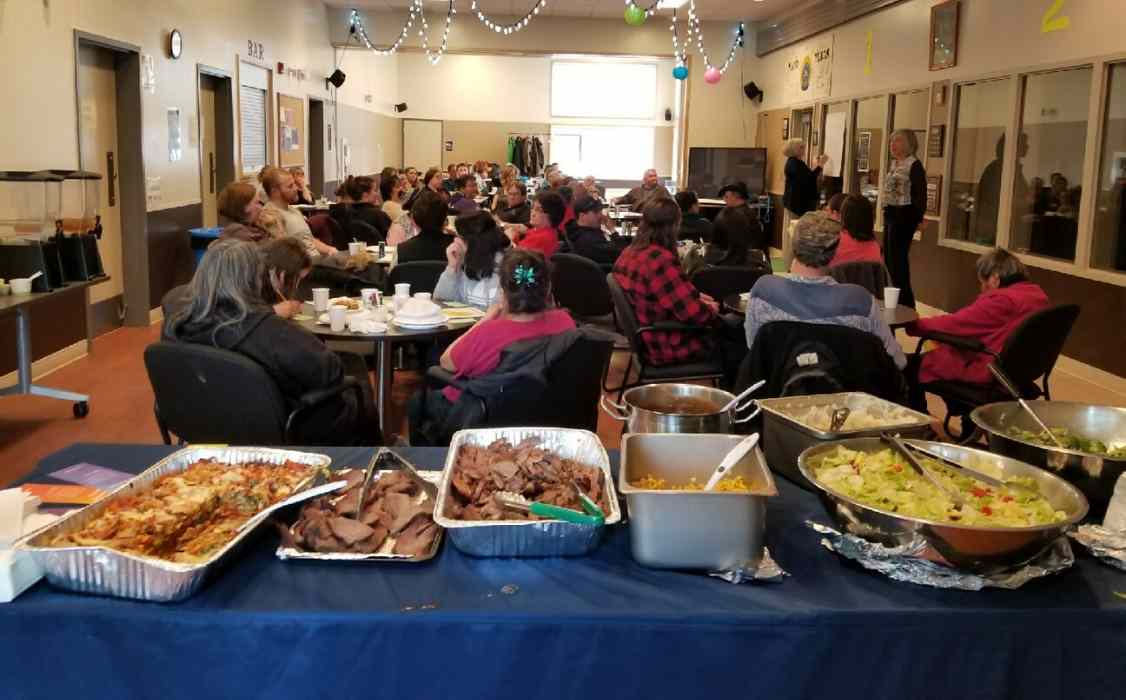
A large group of people seated at tables behind a row of dishes of prepared food

Taste of Mayo lunch potlucks

Head to the Mayo campus on the last Monday of every month for their Taste of Mayo potlucks.

An opportunity to get together with other community members for some fun, laughter and good food - the only cost is a dish to share!

Staff of the Mayo campus seated on a couch with Yukon College shirts, each of them holding a coffee mug

Campus services

Along with on-campus programs, special events and distance learning courses allowing community members to pursue full and part-time studies, the campus offers community computer and internet access, and space for other community events.

The team from left to right: Bobbi-Lee Melancon, Sandy Washburn, Laura Erickson, John Reid.

Upcoming courses available in Mayo

This introductory course covers the study of accounting based on a service business organized as a sole proprietorship and a merchandising business.

This course is for students or professionals entering office assistant roles in any context and provides students with the necessary skills to enter the modern workplace.

This course focuses on practical knowledge and skills related to office procedures, systems, and routines. Topics include human relations, interpersonal skills, conflict resolution, teamwork, critical thinking, and cultural competency.

In this course, students explore the written and oral skills needed to communicate in diverse organizational and cultural contexts.

In this course, students explore the written and oral skills needed to communicate in diverse organizational and cultural contexts.

The goal of COMP 161 is for students to become independent and effective computer application users, in both their current studies and future careers. The course will provide students with hands-on interaction with common applications for analysis and problem-solving.

Students will develop essential literary techniques and essay writing skills. Selected works of 20th Century Canadian authors will be studied.
Prerequisite(s): Minimum grade of B- in ENGL 050 or English 11 or suitable score in writing assessment with permission of instructor.

This course introduces students to critical reading, critical thinking, and academic writing through the study and application of the principles of university-level discourse. English 100 focuses on expository writing.

This course introduces students to critical reading, critical thinking, and academic writing through the study and application of the principles of university-level discourse. English 100 focuses on expository writing.

This course introduces students to four literary genres: short fiction, poetry, the novel, and drama. Students learn the fundamentals of university-level literary study and explore major themes suggested by the selected texts.

This course explores the nexus of nature, culture, society and person. Using interdisciplinary approaches from the environmental humanities, we examine tensions and dilemmas running though conservation discourses and contemporary environmental thinking.

This course examines Yukon First Nations history, culture and governance. Topics covered include pre-contact cultures of Yukon, subsistence economies, social and political organizations, cultural expressions, and cultural protocols.

This course examines Yukon First Nations history, culture and governance. Topics covered include pre-contact cultures of Yukon, subsistence economies, social and political organizations, cultural expressions, and cultural protocols.

This course examines Yukon First Nations history, culture and governance. Topics covered include pre-contact cultures of Yukon, subsistence economies, social and political organizations, cultural expressions, and cultural protocols.

This course focuses on developing students’ skills in keyboarding. The majority of time will be devoted to individual work and practice sessions.

This course is restricted to students in the Office Administration program

In this course students will learn about practical techniques of language documentation; the connection between language and culture; the use of archives in creating new language curriculum incorporating traditional stories, ecological knowledge, and/or family histories; and the techniques being

Supportive distance learning in Mayo

Distance learning, or online learning, provides students with access to class instruction over the Internet, rather than in a classroom.

Learn more


Programs offered via distance learning


Contact us

Sandy Washburn

Manager, Programs and Courses

Community Education and Development - Northern

Nicole Anderson
Community Campus Planner, Mayo
Community Education and Development - Northern
867 996 8800
nicole.anderson@yukonu.ca


Campus hours & location

Monday to Friday
8:30am - 4:30pm

Box 250, 301 7th Avenue
Mayo, Y0B 1M0


The coffee is always on at Mayo Campus.

Come visit us!

Where to find us