Indigenous perspectives on healthy aging in the Yukon
When the Canadian Frailty Network presented its AVOID frailty model (a five-pillar healthy aging model encompassing Activity, Vaccination, Optimize medications, Interaction, and Diet) at a Yukon research conference, Indigenous Elders in the audience asked a pointed question: how many Indigenous voices had given input on this model? The honest answer was, not much.Then began a new study, funded by the network, that aimed to look at things differently.
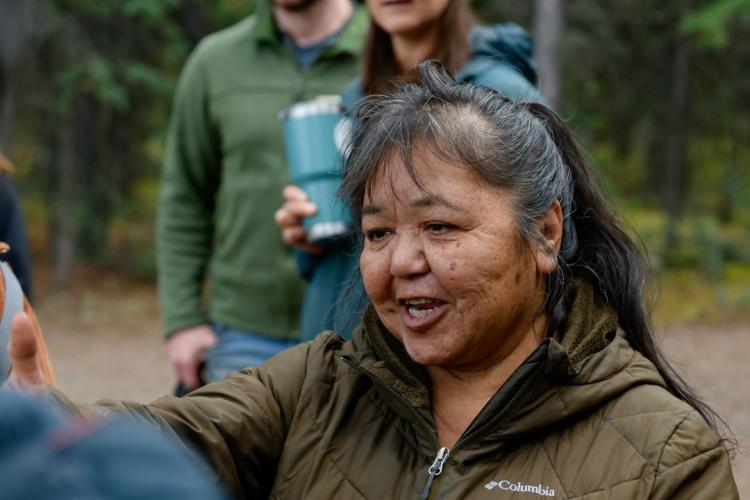
Led by researchers at the Yukon Strategy for Patient Oriented Research (YSPOR) unit at Yukon University, Mark Christopher and Liris Smith, alongside Elder co-author Jerry Soltani, the team spoke with 42 Indigenous Elders and older adults from four Yukon communities. The team began with simply asking participants what healthy aging meant to them, before ever bringing up the AVOID model.
Three themes continually surfaced, even when unprompted: staying active, eating well and being social with others – though the way these ideas were described by elders varied from the Western way of looking at these principles. Activity meant hauling wood, hunting, or berry picking rather than scheduled exercise. Diet meant fishing or eating traditional foods with familyand community. Interaction meant mentoring, storytelling, and spiritual wellness, not simply avoiding loneliness. Meanwhile vaccination and medication management – two of the models five pillars – rarely came up unless prompted, though most participants agreed on their importance.
Elders also pushed back on some of the some of the model’s language itself, many rejecting words such as frail or diet.
The results called for a strength-based adaptation to the healthy aging model – one that builds on the existing pillars of healthy Indigenous living in positive ways, rather than framing aging as mitigating deficits that are inevitable.
This project was supported by the Whitehorse Aboriginal Women’s Circle.
Read the full research article here.